
CRM Implementation Timeline: A 2026 Roadmap
Master your CRM implementation timeline in 2026. Discover expert steps, avoid common blockers, and ensure a smooth, efficient rollout for your business. Learn more now!

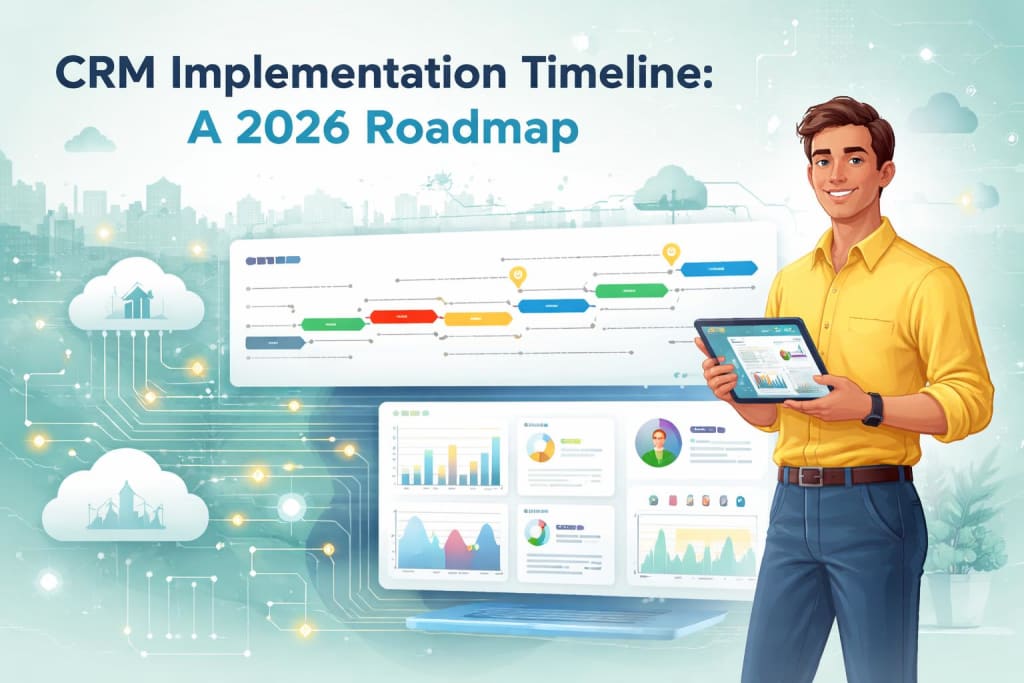
Look, if you’re fixin' to launch a new CRM and think it’ll be sorted in a fortnight, you’re dreaming, mate. It is 2026. While AI does the heavy lifting now, humans are still the ones making a proper mess of the data.
I reckon most folks underestimate the sheer grit required to move from a "good enough" spreadsheet to a fully automated powerhouse. It’s hella stressful when you realize your "three-month plan" is actually a six-month marathon.
Real talk, a crm implementation timeline isn't just a Gantt chart. It is a psychological battle against your own legacy habits. You have to face the music about how dodgy your customer records really are before you can automate them.
Let me explain why your initial estimates usually fall apart. Most companies spend too much time picking the "perfect" software and zero time wondering if their sales team will actually use the thing. It is a classic mistake.
Phase 1: The Soul-Searching and Scoping (Weeks 1-4)
This is where you decide what you actually want. Spoiler alert: you can’t have everything at once. You need to define your "Must-Haves" versus your "Nice-to-Haves." Don't be all hat and no cattle here.
I’ve seen too many brilliant teams get bogged down in the "What Ifs." Stick to the basics first. If your lead flow is broken, fix that before you try to build a predictive AI forecasting model for 2028.
Speaking of which, mobile app development ohio often deals with these integration hurdles when building custom interfaces for field teams who need CRM access on the fly.
During this first month, you should be interviewing your power users. Ask them what makes them want to throw their laptop out the window. Their frustrations are your roadmap. If you ignore them, they will ignore the CRM.
Phase 2: The Data Purge (Weeks 5-8)
This part is proper exhausting. You are essentially digging through the digital attic. You will find duplicate leads from 2019 and contacts with "Test" as their last name. It is gnarly, but it has to be done.
Thing is, if you put garbage into a 2026-era AI CRM, you just get automated garbage faster. You need a data cleansing strategy that involves more than just a "Select All > Delete" prayer. It takes time.
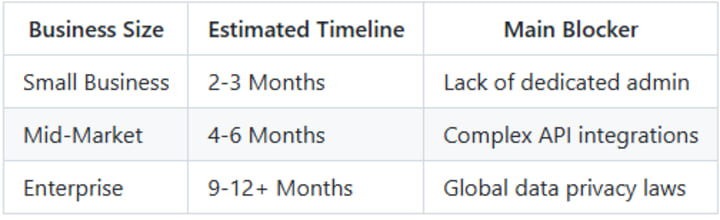
By the end of week eight, you should have a "clean" data set ready for migration. Don't rush this. If you skip the scrub, you’ll spend the next three years apologizing to your marketing department for the bounce rates.
Mapping the CRM Implementation Timeline: Month by Month
Let’s get into the nitty-gritty of the actual rollout. In 2026, the tech moves fast, but corporate buy-in still moves at the speed of a snail in peanut butter. You have to account for the human lag.
"CRM is not a software project. It is a change management project that happens to use software as its primary tool for transformation." — Paul Greenberg, Author of CRM at the Speed of Light, ZDNet
Month three is usually when the "Pilot Program" starts. This is your soft launch. Pick five people who aren't afraid of technology. Let them break it. It is better they find the bugs now than your whole staff later.
Month 3: Configuration and API Handshakes
This is where the magic happens. Your CRM needs to talk to your email, your Slack, and your accounting software. If they aren't shaking hands properly, your automation will be a clunky, disjointed mess. No worries, though.
Most modern platforms like Salesforce or HubSpot have improved their low-code tools. You don't always need a PhD in computer science to set up a workflow. But you do need a very clear logic map of your sales process.
💡 Marshall Lager (@target_marketing): "The biggest CRM failure isn't technical. It's the refusal of leadership to define what success looks like before the first login is created." — CRM Search
If you don't know what a "converted lead" means to your company, the software won't know either. You have to define these terms now. Otherwise, your reporting in month six will be a total work of fiction.
Month 4: The Training Gauntlet
Do not just send a "How-To" PDF and call it a day. That is a one-way ticket to a 0% adoption rate. People are stoked about new tools until they actually have to change how they work daily.
I reckon you need hands-on workshops. Show them how the CRM makes their life easier, not how it helps the boss track their every move. If they see the "What's In It For Me," they’ll climb aboard.
Real talk: training never really ends. You’ll be fixin' bugs and answering "Where did that button go?" questions for months. Budget for a dedicated support person, even if it's just a part-time internal champion.
Month 5-6: Optimization and The "Go-Live"
By now, you are proper knackered, but this is the finish line. The "Go-Live" should be a celebration, not a funeral. Monitor the data closely for the first 30 days. Watch for people reverting to their old spreadsheets.
"Success in CRM is 20% technology and 80% people and process. If you ignore the people, the technology will just sit there gathering digital dust." — Kate Leggett, VP and Principal Analyst, Forrester
Check your dashboards. Are they actually telling you something useful? In 2026, we have "Predictive Analytics" that can tell you a deal is going south before the rep even knows. Make sure those alerts are actually working.
💡 Brent Leary (@BrentLeary): "In the age of AI, your CRM is only as good as the real-time data feeding it. If your reps aren't updating it, your AI is hallucinating." — CRM Playaz
Future Trends: CRM in 2027 and Beyond
As we head toward 2027, the crm implementation timeline is being compressed by "Autonomous CRM" agents. We are seeing a shift where the CRM essentially manages itself, auto-populating contact data from social signals and public records without manual entry. Market data from late 2025 suggests that AI-native CRM adoption is growing at a 14% CAGR, with companies increasingly favoring platforms that offer "Data Clean Rooms" for secure, privacy-compliant customer insights. The future is less about data entry and more about data orchestration, where the implementation focus shifts from "how do we put data in" to "how does the AI interpret the data already there."
Common Blockers That Will Tank Your Timeline
- Feature Creep: Trying to add "one more thing" during the build phase.
- Bad Data: Importing 10 years of unverified emails.
- Lack of Executive Buy-in: If the CEO doesn't use it, nobody will.
- Complex Customization: Building a "Frankenstein" system that nobody understands.
- Silent Resistance: Staff who smile in meetings but keep using their own notes.
If you hit these blockers, don't panic. Just adjust the schedule. It is better to be a month late with a system that works than on time with a system that everyone hates. That is just fair dinkum advice.
In the end, your 2026 crm implementation timeline is a living document. It will flex. It will frustrate you. But if you stick to a structured approach and keep your team’s needs at the center, you’ll come out the other side sorted.
About the Creator
Keep reading
More stories from Samantha Blake and writers in 01 and other communities.
How to Maintain an App in 2026 Without Bleeding Money
I reckon most people think hitting "publish" on the App Store is the end of the road. It isn't. Not even close. If you want to know how to maintain an app in 2026, you've got to realize it is a perpetual cycle of fixing things that weren't even broken yesterday.
By Samantha Blake5 days ago in 01
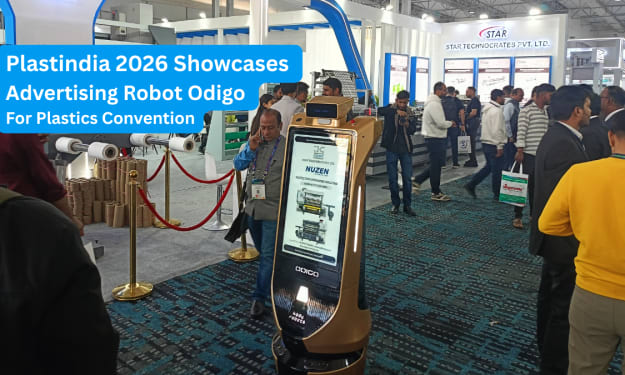
Plastindia 2026 Showcases Advertising robot Odigo For Plastics convention
New Delhi, India, February 2026 - Plastindia Foundation presented an advanced engagement initiative during Plastindia 2026 with the introduction of Odigo, an AI-Powered advertising robot created by Kody Robots a leading robotics company in India. The deployment marked a prominent example of an advertising robot for plastics convention, operating live within one of the sector’s largest global plastics industry gatherings. Odigo made a high-impact appearance at PlastIndia 2026, demonstrating how an Advertising Robot, Odigo for Plastics Convention environments can transform visitor engagement at large industry gatherings.
By Mila Violet3 days ago in 01

Comments
There are no comments for this story
Be the first to respond and start the conversation.